
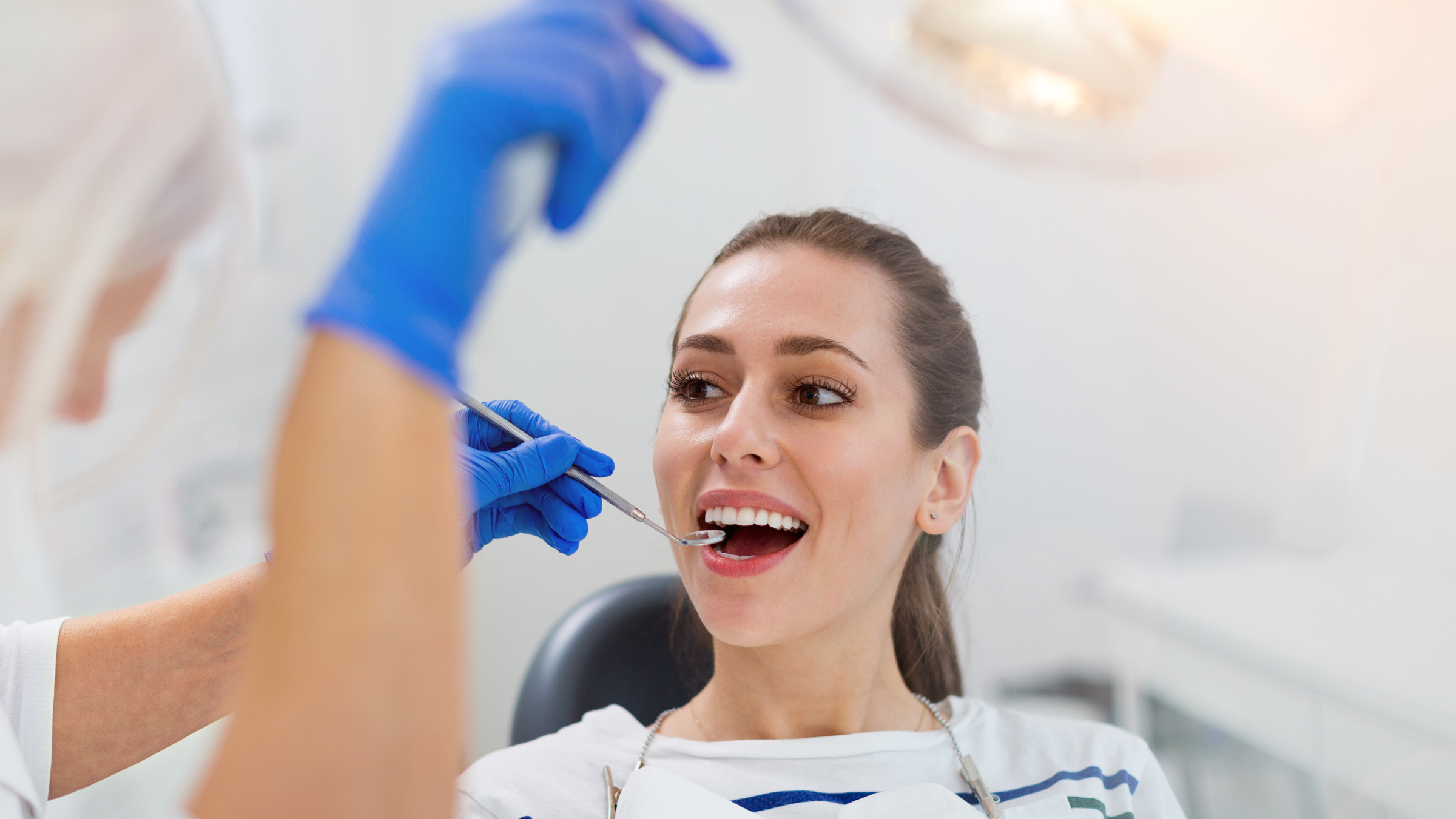
The human mouth is home to a diverse and complex ecosystem of microorganisms, known as the oral microbiome. This community of bacteria, fungi, viruses, and other microbes plays a crucial role in maintaining oral health and overall well-being. However, when the balance of this microbiome is disrupted, it can lead to various dental and systemic health issues.
Biological dentistry recognizes the importance of the oral microbiome and focuses on preserving and enhancing its balance. By taking a holistic approach to dental care, biological dentists aim to support a healthy oral environment that promotes not only a beautiful smile but also optimal overall health. In this blog, we’ll explore the concept of the oral microbiome, its impact on health, and how biological dentistry can help maintain its balance.
1. What is the Oral Microbiome?
The oral microbiome refers to the vast collection of microorganisms that reside in the mouth. These microbes live on the teeth, gums, tongue, and other oral surfaces, forming complex communities known as biofilms. While the idea of bacteria in the mouth might seem concerning, most of these microorganisms are beneficial and play a vital role in oral health.
A healthy oral microbiome helps to:
- Prevent Disease:Beneficial bacteria in the oral microbiome compete with harmful pathogens, preventing them from establishing themselves and causing infections.
- Maintain pH Balance:The oral microbiome helps regulate the pH levels in the mouth, reducing the risk of tooth decay and enamel erosion.
- Support Digestion:The enzymes and bacteria in the mouth start the process of breaking down food, aiding in digestion and nutrient absorption.
- Promote Immune Function:A balanced oral microbiome supports the immune system by preventing harmful bacteria from spreading to other parts of the body.
However, when the oral microbiome is disrupted—often due to poor oral hygiene, diet, stress, or the use of certain dental products—it can lead to an overgrowth of harmful bacteria, resulting in conditions like cavities, gum disease, bad breath, and even systemic issues such as cardiovascular disease and diabetes.
2. The Link Between Oral Microbiome and Systemic Health
The health of the oral microbiome is closely connected to overall health. Research has shown that imbalances in the oral microbiome can have far-reaching effects beyond the mouth. For example:
- Cardiovascular Disease:Certain harmful bacteria in the mouth can enter the bloodstream and contribute to the development of cardiovascular diseases, such as heart disease and stroke. Inflammation caused by gum disease has also been linked to increased risk of heart problems.
- Diabetes:People with diabetes are more prone to gum disease, and in turn, gum disease can make it more difficult to control blood sugar levels, creating a vicious cycle.
- Respiratory Infections:Bacteria from the mouth can be inhaled into the lungs, leading to respiratory infections such as pneumonia, especially in vulnerable populations like the elderly.
- Pregnancy Complications:Oral health is particularly important during pregnancy, as gum disease has been linked to premature birth, low birth weight, and preeclampsia.
These connections underscore the importance of maintaining a healthy oral microbiome not just for oral health, but for overall well-being.
3. How Biological Dentistry Supports the Oral Microbiome
Biological dentistry takes a holistic approach to dental care, recognizing the interconnectedness of the mouth and the rest of the body. Here are some of the key ways that biological dentistry supports a healthy oral microbiome:
- Minimizing the Use of Harsh Chemicals:Traditional dental care often involves the use of products containing harsh chemicals, such as triclosan and chlorhexidine, which can disrupt the balance of the oral microbiome by killing both harmful and beneficial bacteria. Biological dentists prioritize the use of natural and gentle products that support microbial balance while effectively treating oral health issues.
- Promoting Nutritional Health:Diet plays a significant role in maintaining a healthy oral microbiome. Biological dentists often provide nutritional counseling to help patients choose foods that support oral health, such as those rich in vitamins, minerals, and probiotics. A diet low in sugar and refined carbohydrates is particularly important for preventing the overgrowth of harmful bacteria that can lead to cavities and gum disease.
- Using Biocompatible Materials:The materials used in dental treatments can affect the oral microbiome. For example, metal fillings and crowns can create an environment where harmful bacteria thrive. Biological dentists use biocompatible materials, such as ceramic or composite resins, that are less likely to disrupt the microbiome and are safer for the body as a whole.
- Encouraging Regular Oral Hygiene with Natural Products:Proper oral hygiene is essential for maintaining a healthy microbiome. Biological dentists often recommend natural toothpaste, mouthwash, and other oral care products that contain ingredients like xylitol, essential oils, and herbal extracts. These products help control harmful bacteria without disrupting the beneficial microbes that protect the mouth.
- Addressing the Root Causes of Imbalances:Rather than simply treating the symptoms of oral health issues, biological dentists focus on identifying and addressing the underlying causes of microbiome imbalances. This might involve assessing a patient’s overall health, lifestyle, and environmental factors that contribute to oral health problems.
- Holistic Treatments:Biological dentists may also offer treatments such as ozone therapy, which can help reduce harmful bacteria in the mouth while promoting healing and balance in the oral microbiome. Ozone therapy is particularly effective in treating gum disease and preventing cavities without the need for harsh chemicals or antibiotics.
4. Tips for Maintaining a Healthy Oral Microbiome
In addition to seeking care from a biological dentist, there are several steps you can take at home to support a healthy oral microbiome:
- Practice Good Oral Hygiene:Brush your teeth twice a day with a natural toothpaste and floss daily to remove food particles and plaque. Avoid over-brushing, which can damage enamel and disrupt the microbiome.
- Eat a Balanced Diet:Focus on a diet rich in whole foods, including plenty of fruits, vegetables, lean proteins, and healthy fats. Limit your intake of sugary and processed foods, which can feed harmful bacteria.
- Stay Hydrated:Drinking plenty of water helps maintain saliva production, which is essential for neutralizing acids and washing away food particles that can contribute to bacterial growth.
- Consider Probiotics:Probiotics, whether through supplements or fermented foods like yogurt and kefir, can help support a healthy balance of bacteria in the mouth and gut.
- Avoid Antibacterial Mouthwash:While it might seem counterintuitive, using antibacterial mouthwash regularly can disrupt the balance of your oral microbiome. Opt for natural mouthwashes that support bacterial balance instead.
- Manage Stress:Chronic stress can negatively impact the oral microbiome by suppressing the immune system and increasing the risk of infections. Practice stress management techniques such as meditation, exercise, and adequate sleep.
5. The Role of Regular Check-Ups in Maintaining Microbiome Health
Regular dental check-ups are crucial for monitoring the health of your oral microbiome. Biological dentists are skilled at detecting early signs of imbalance and can provide personalized recommendations to help you maintain a healthy oral environment.
During your check-up, your dentist may assess your oral hygiene habits, examine the condition of your gums and teeth, and recommend any necessary treatments to address imbalances. These treatments might include professional cleanings, nutritional advice, or the use of specific natural products to support your oral microbiome.
Regular check-ups also provide an opportunity to discuss any changes in your health, lifestyle, or diet that could impact your oral microbiome. By staying proactive and working closely with your biological dentist, you can prevent potential issues before they become serious problems.
Conclusion: Embracing a Holistic Approach to Oral Health
The oral microbiome is a vital component of overall health, influencing not just the condition of your teeth and gums, but also your general well-being. Biological dentistry recognizes the importance of maintaining a balanced microbiome and offers a holistic approach to dental care that supports both oral and systemic health.
By choosing biological dentistry, you’re not only taking steps to protect your smile but also investing in your long-term health. From using biocompatible materials to promoting natural oral care products and offering holistic treatments, biological dentists provide a comprehensive approach to dental care that aligns with your body’s natural processes.
Remember, maintaining a healthy oral microbiome is a continuous process that involves good oral hygiene, a balanced diet, regular dental check-ups, and a holistic approach to your overall health. By making informed choices and working with a biological dentist, you can enjoy a healthy, balanced oral microbiome that supports your entire body’s well-being.