
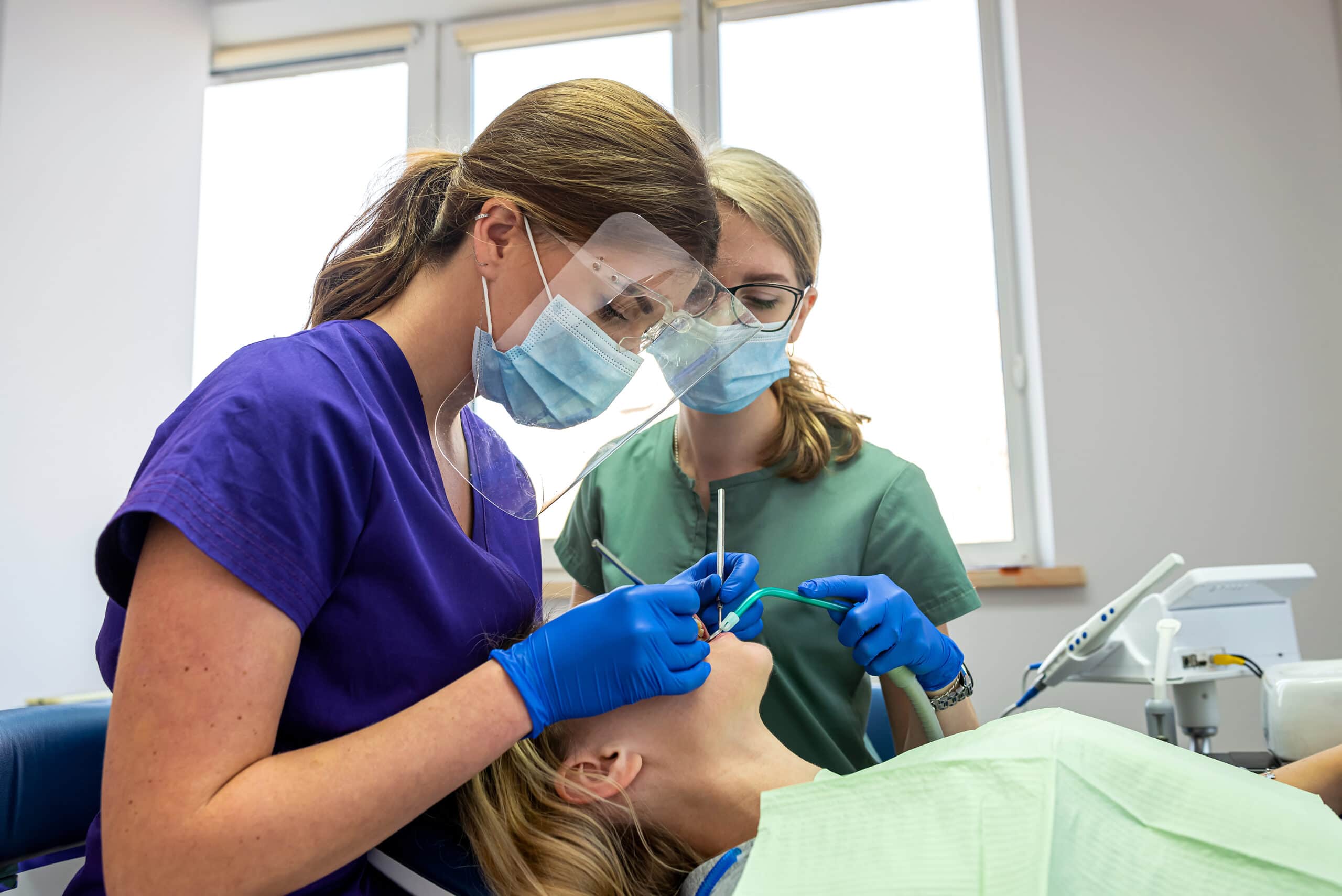
In our modern world, we are constantly exposed to various toxins, from the food we eat to the air we breathe. However, many people overlook a significant source of toxins that can be right in their mouths: dental materials and procedures. From mercury amalgam fillings to fluoride treatments, the substances used in conventional dentistry can contribute to the body’s toxic burden.
Biological dentistry takes a different approach by focusing on the use of biocompatible materials and techniques that minimize exposure to harmful substances. But for those who have already been exposed to dental toxins, detoxification is a crucial step in reclaiming overall health and well-being. In this blog, we’ll explore the different types of dental toxins, their impact on the body, and practical steps you can take to detox and support your health.
1.Understanding Dental Toxins: What Are They and How Do They Affect You?
Dental toxins are substances used in traditional dental procedures that can potentially harm the body. These toxins can accumulate over time and contribute to various health issues, including neurological problems, immune system dysfunction, and chronic inflammation.
Some of the most common dental toxins include:
Mercury Amalgam Fillings: Often referred to as “silver fillings,” these contain about 50% mercury, a potent neurotoxin. Mercury can be released from these fillings over time, especially when chewing or grinding teeth, and can accumulate in the body’s tissues, leading to a host of health problems.
Fluoride: Widely used in dental treatments and public water supplies, fluoride is controversial due to its potential links to bone weakening, thyroid dysfunction, and neurological effects. While fluoride can help prevent cavities, its risks have led some to seek alternatives.
BPA in Dental Sealants and Composites: Bisphenol A (BPA) is a chemical found in some dental materials, such as sealants and composite resins. BPA is an endocrine disruptor that can interfere with hormone function and has been linked to various health issues, including reproductive problems and cancer.
Root Canal Toxins: Root canal treatments can leave behind toxic by-products from bacteria that can persist within the treated tooth. These toxins can contribute to chronic inflammation and may even enter the bloodstream, affecting overall health.
Understanding these toxins is the first step in addressing their impact on your health and taking action to reduce your exposure.
2. The Health Risks of Dental Toxins
The health risks associated with dental toxins vary depending on the type of toxin, the level of exposure, and the individual’s overall health. However, some common issues linked to dental toxins include:
Neurological Issues: Mercury is a well-known neurotoxin that can affect the brain and nervous system. Chronic exposure to mercury from amalgam fillings has been associated with memory problems, mood disorders, tremors, and other neurological symptoms.
Immune System Dysfunction: Dental toxins like mercury and BPA can weaken the immune system, making the body more susceptible to infections, allergies, and autoimmune diseases.
Chronic Inflammation: Many dental toxins contribute to chronic inflammation, a key factor in a wide range of health issues, including heart disease, diabetes, and autoimmune disorders.
Hormonal Imbalances: BPA and other endocrine disruptors found in dental materials can interfere with the body’s hormone systems, leading to problems such as thyroid dysfunction, reproductive issues, and metabolic disorders.
Bone Health: Fluoride, while beneficial for preventing tooth decay, can have negative effects on bone health when consumed in excess. High levels of fluoride exposure have been linked to skeletal fluorosis, a condition that causes bone pain and stiffness.
Given these risks, it’s crucial to consider detoxification strategies to reduce the body’s burden of these harmful substances.
3. Steps to Detox from Dental Toxins
Detoxification is the process of eliminating toxins from the body, and it can be especially important for those who have been exposed to dental toxins. Here are some steps you can take to support detoxification and promote overall health:
- Safe Removal of Mercury Amalgam Fillings:If you have mercury amalgam fillings, consider having them safely removed by a biological dentist. The removal process should be done carefully to minimize mercury exposure. Biological dentists use protective measures, such as rubber dams, high-volume suction, and oxygen masks, to ensure that mercury vapor is not inhaled or absorbed during the procedure.
- Nutritional Support for Detoxification:Supporting your body’s natural detoxification pathways is essential. This can be done by consuming a diet rich in nutrients that support liver function and help eliminate toxins. Key nutrients include:
- Glutathione:A powerful antioxidant that plays a crucial role in detoxification. Foods like garlic, onions, and cruciferous vegetables (broccoli, kale, Brussels sprouts) help boost glutathione levels.
- Vitamin C:An antioxidant that supports the immune system and aids in detoxification. Found in citrus fruits, berries, and green leafy vegetables.
- Chlorella and Spirulina:Algae that can help bind to heavy metals like mercury, aiding in their removal from the body.
- Hydration and Detoxification:Staying well-hydrated is crucial for detoxification, as it helps the body flush out toxins through urine and sweat. Aim to drink plenty of water throughout the day, and consider incorporating herbal teas like dandelion root or milk thistle, which support liver detoxification.
- Sauna Therapy:Sauna therapy is an effective way to promote sweating, which helps eliminate toxins through the skin. Regular sauna sessions can aid in the detoxification of heavy metals and other toxins, while also promoting relaxation and stress reduction.
- Oil Pulling:Oil pulling is an ancient Ayurvedic practice that involves swishing oil (such as coconut oil) in your mouth for 10-20 minutes before spitting it out. This practice can help remove bacteria, toxins, and heavy metals from the mouth and support oral health.
- Avoiding Fluoride:To reduce your fluoride exposure, consider using fluoride-free toothpaste and drinking filtered water that has been treated to remove fluoride. You can also consult with your biological dentist about alternatives to fluoride treatments.
- Regular Dental Checkups with a Biological Dentist:Regular checkups with a biological dentist can help monitor your oral health and detect any potential issues early on. Biological dentists are trained to use biocompatible materials and techniques that minimize exposure to toxins, making them a valuable partner in your detoxification journey.
4. The Role of Detoxification in Overall Health
Detoxification is not just about removing specific toxins; it’s about supporting the body’s natural ability to cleanse itself and maintain balance. When the body is overloaded with toxins, its ability to function optimally is compromised. By reducing the toxic burden and supporting detoxification pathways, you can improve your overall health, boost energy levels, and enhance mental clarity.
Moreover, detoxification can play a crucial role in preventing chronic illnesses and managing existing conditions. For example, reducing your exposure to mercury and other heavy metals can help alleviate symptoms of chronic fatigue, brain fog, and autoimmune disorders. Similarly, avoiding endocrine disruptors like BPA can support hormonal balance and reduce the risk of related health issues.
5. Long-Term Strategies for Maintaining a Toxin-Free Lifestyle
Detoxification is an ongoing process, and maintaining a toxin-free lifestyle is essential for long-term health. Here are some strategies to help you stay on track:
- Choose Biocompatible Dental Materials: Whenever you need dental work, opt for biocompatible materials that are safe for your body. Biological dentists can recommend materials that are free from harmful substances like mercury, BPA, and other toxins.
- Adopt a Clean Diet:Eating a clean, whole-food diet that is rich in organic produce, lean proteins, and healthy fats can help minimize your exposure to dietary toxins. Avoid processed foods, which often contain artificial additives, preservatives, and pesticides.
- Use Natural Personal Care Products:Many conventional personal care products, such as toothpaste, mouthwash, and cosmetics, contain harmful chemicals. Opt for natural, non-toxic alternatives to reduce your overall toxic load.
- Stay Informed:Keep yourself informed about potential sources of toxins in your environment, food, and products. Being proactive and making informed choices can help you avoid unnecessary exposure.
Conclusion: Empower Yourself with Knowledge and Action
Detoxifying from dental toxins is a powerful step toward improving your overall health and well-being. By understanding the risks associated with traditional dental materials and procedures, and by taking proactive steps to support your body’s natural detoxification processes, you can reduce your toxic burden and enhance your quality of life.
Working with a biological dentist who understands the importance of biocompatible materials and holistic care is essential in this journey. Whether you’re looking to remove mercury fillings, avoid fluoride, or simply adopt a more natural approach to dental care, a biological dentist can guide you every step of the way.
Remember, your oral health is deeply connected to your overall health. By detoxifying from dental toxins, you’re not only protecting your smile but also taking a significant step toward a healthier, more vibrant life.