
For decades, amalgam fillings, commonly known as “silver fillings,” have been used to treat cavities. However, these fillings contain mercury, a toxic metal that can pose significant health risks when released into the body. As awareness of these risks has grown, more patients are seeking to have their amalgam fillings removed safely.
Biological dentistry, with its emphasis on holistic and non-toxic approaches, provides a safe and effective way to remove amalgam fillings. In this blog, we’ll discuss the dangers of mercury exposure, the importance of safe amalgam removal, and how biological dentistry practices protect you during the process.
1. What Are Amalgam Fillings?
Amalgam fillings are a type of dental restoration made from a mixture of metals, including silver, tin, copper, and mercury. Mercury is used in amalgam because it binds the other metals together, creating a durable and long-lasting filling material.
However, mercury is also a neurotoxin, meaning it can damage the brain and nervous system. Over time, mercury from amalgam fillings can be released into the body, especially during chewing, grinding, or brushing, and when the fillings are removed without proper precautions.
2. The Health Risks of Mercury Exposure
Mercury exposure is associated with a wide range of health issues, many of which can be severe and chronic. Some of the potential health risks include:
- Neurological Damage:Mercury exposure can lead to neurological symptoms such as memory loss, mood swings, tremors, and cognitive decline. It is especially harmful to developing brains, making it a significant concern for pregnant women and young children.
- Immune System Suppression:Mercury can weaken the immune system, making the body more susceptible to infections and illnesses. It can also trigger autoimmune responses, where the body’s immune system attacks its own tissues.
- Cardiovascular Problems:Studies have shown that mercury exposure is linked to an increased risk of cardiovascular disease, including hypertension, heart attack, and stroke.
- Kidney Damage:Mercury is toxic to the kidneys and can impair their function, leading to kidney disease or failure.
- Digestive Issues:Mercury can irritate the digestive system, leading to symptoms like abdominal pain, nausea, and diarrhea.
Given these risks, it’s crucial to minimize exposure to mercury, especially if you have amalgam fillings. Safe removal of these fillings can significantly reduce your risk of mercury-related health problems.
3. The Importance of Safe Amalgam Removal
While it’s important to remove amalgam fillings to reduce mercury exposure, the removal process itself can release mercury vapors and particles, potentially increasing your exposure if not done correctly. This is why safe amalgam removal is critical.
Biological dentists are specially trained in protocols designed to minimize mercury exposure during the removal process. These protocols, often referred to as Safe Mercury Amalgam Removal Technique (SMART), are endorsed by organizations such as the International Academy of Oral Medicine and Toxicology (IAOMT).
4. The SMART Protocol for Safe Amalgam Removal
The SMART protocol is a comprehensive set of procedures that biological dentists follow to ensure the safe removal of amalgam fillings. Here’s how it works:
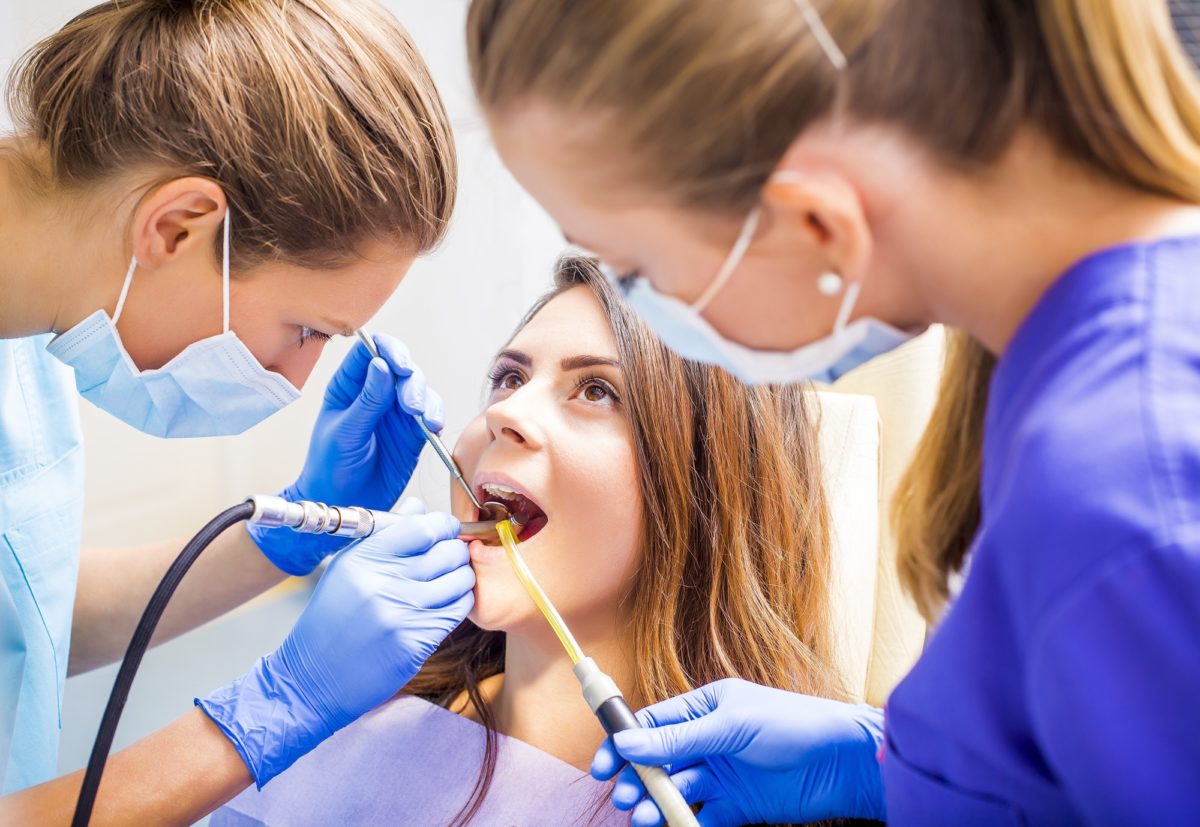
- Patient and Staff Protection:Both the patient and dental staff wear protective gear, including masks, gloves, and barriers, to reduce exposure to mercury vapors and particles. The patient may also wear a nasal hood to provide a steady flow of oxygen, preventing them from inhaling mercury vapor.
- Rubber Dam Isolation:A rubber dam is placed in the patient’s mouth to isolate the tooth being treated. This prevents mercury particles and amalgam debris from being swallowed or coming into contact with other areas of the mouth.
- High-Volume Suction:A high-volume suction device is used to capture mercury vapors and particles as they are released during the removal process. This device is positioned close to the tooth to ensure maximum effectiveness.
- Clean Air Filtration:Air filtration systems, including HEPA filters and mercury vapor filters, are used in the treatment room to remove any airborne mercury particles. This helps protect both the patient and the dental staff from inhaling mercury.
- Sectional Removal Technique:Instead of drilling out the entire filling at once, the biological dentist removes the amalgam in sections. This reduces the amount of mercury vapor released and minimizes the risk of exposure.
- Post-Removal Rinse:After the amalgam is removed, the patient’s mouth is thoroughly rinsed with a charcoal or chlorella rinse to help bind any residual mercury particles. The patient is also encouraged to drink plenty of water after the procedure to help flush out any toxins.
- Proper Disposal:The removed amalgam material is handled as hazardous waste and is disposed of according to strict environmental guidelines to prevent mercury contamination in the environment.
5. The Benefits of Safe Amalgam Removal
Safe amalgam removal offers several benefits beyond reducing your exposure to mercury:
- Improved Health:By removing a significant source of mercury exposure, many patients experience improvements in their overall health, including reduced symptoms of mercury toxicity, such as fatigue, brain fog, and immune system issues.
- Peace of Mind:Knowing that your amalgam fillings have been safely removed and replaced with non-toxic materials can provide peace of mind, allowing you to feel more confident in your dental and overall health.
- Aesthetic Improvements:In addition to the health benefits, replacing amalgam fillings with tooth-colored composite or ceramic restorations can enhance the appearance of your smile, giving you a more natural and attractive look.
- Support for Overall Wellness:Safe amalgam removal is part of a broader commitment to holistic health. Biological dentists often provide additional support for detoxification and wellness, including nutritional guidance, supplements, and other therapies to help your body recover from mercury exposure.
6. Choosing the Right Biological Dentist
If you’re considering having your amalgam fillings removed, it’s essential to choose a dentist who is trained in safe amalgam removal techniques. Here are a few tips for finding the right biological dentist:
- Check Credentials:Look for a dentist who is a member of reputable organizations such as the International Academy of Oral Medicine and Toxicology (IAOMT) or the Holistic Dental Association (HDA). These organizations provide training and certification in safe amalgam removal and biological dentistry practices.
- Ask About Protocols:When consulting with a potential dentist, ask about the protocols they use for safe amalgam removal. Make sure they follow the SMART protocol or similar guidelines to minimize mercury exposure.
- Look for Experience:Experience matters when it comes to safe amalgam removal. Choose a dentist who has extensive experience in performing this procedure and can provide you with references or testimonials from satisfied patients.
- Consider Holistic Care:A biological dentist who takes a holistic approach to care will consider your overall health and well-being, not just your dental needs. This means they may offer additional support for detoxification, nutritional counseling, and other wellness services to help you achieve optimal health.
7. Life After Amalgam Removal
Once your amalgam fillings have been safely removed, it’s important to support your body’s natural detoxification processes. Here are a few tips for post-removal care:
- Stay Hydrated:Drinking plenty of water helps flush out toxins and supports kidney function. Aim for at least 8-10 glasses of water per day.
- Eat a Detoxifying Diet:Focus on a diet rich in fruits, vegetables, and whole foods that support detoxification. Foods like leafy greens, garlic, cilantro, and cruciferous vegetables are particularly beneficial.
- Consider Supplements:Certain supplements, such as vitamin C, zinc, and chlorella, can support detoxification and help your body eliminate any residual mercury. Consult with your biological dentist or a holistic healthcare provider for personalized recommendations.
- Practice Stress Management:Stress can impair detoxification, so it’s important to manage stress through practices like meditation, deep breathing, and regular exercise.
- Regular Dental Check-Ups:Continue to see your biological dentist for regular check-ups and cleanings to maintain your oral health and monitor your progress after amalgam removal.
Conclusion: Protecting Your Health with Safe Amalgam Removal
Amalgam fillings may have been the standard for dental restorations in the past, but as we learn more about the risks of mercury exposure, it’s clear that safe removal is essential for protecting your health. Biological dentistry offers a comprehensive approach to safe amalgam removal, minimizing your exposure to mercury while providing holistic support for your overall well-being.
If you’re concerned about the mercury in your amalgam fillings, consider consulting with a biological dentist who is trained in safe amalgam removal techniques. By taking proactive steps to remove these fillings safely, you can reduce your risk of mercury-related health issues and take a significant step toward better health.
Remember, your oral health is deeply connected to your overall health. By choosing safe and holistic dental care, you’re making an investment in your long-term wellness. Take the first step today by exploring your options for safe amalgam removal and embracing a healthier, toxin-free approach to dental care.